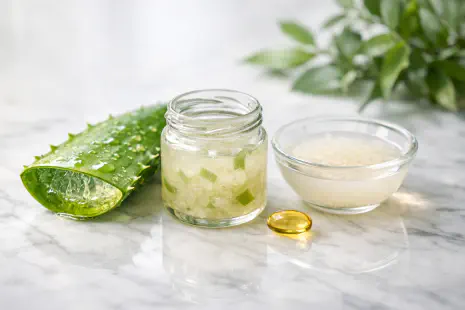
Fermented Aloe Vera Mask: A Natural Remedy for Skin Barrier Repair
Learn how to make a fermented aloe vera mask at home to repair the skin barrier, deeply hydrate skin, and calm acne. Inspired by Korean fermentation skincare techniques.

A collection of 1 Post
Learn how to make a fermented aloe vera mask at home to repair the skin barrier, deeply hydrate skin, and calm acne. Inspired by Korean fermentation skincare techniques.
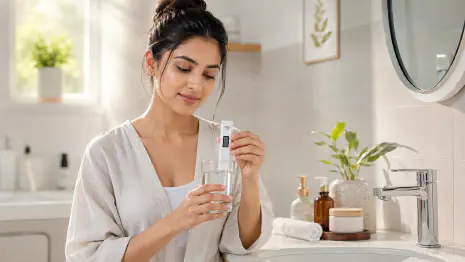
Hard water doesn't attack your follicles the way genetics or hormones do — but the calcium and magnesium it deposits on the hair shaft causes real, measurable breakage that gets mistaken for hair fall. Here's the actual mechanism, how to test your water at home, and the chelating rinse routine that's genuinely evidence-backed.
Seeing more hair on your pillow or comb first thing in the morning isn't a sign of sudden hair loss — the actual mechanism behind it, an at-home way to tell shedding from breakage, and the night routine that's genuinely backed by evidence.
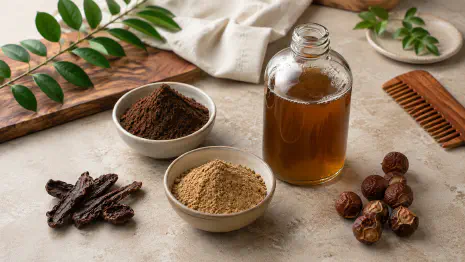
Most 'DIY shampoo' content treats every natural cleanser as equally safe. The chemistry says otherwise — pH is what separates a shikakai and soapnut wash that actually works from a baking soda or castile soap version that quietly damages hair. The real recipe, and the ones to skip.
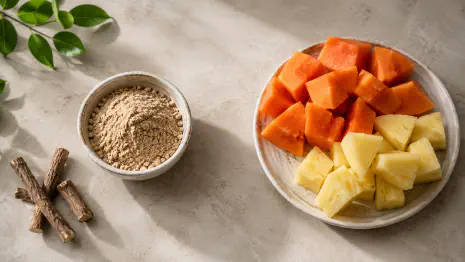
Two DIY pigmentation masks worth the counter space — a licorice root mask backed by real tyrosinase-inhibition research, and a papaya-pineapple enzyme mask that works through exfoliation instead. What each actually does, how to make them, and an honest note on what they won't fix.
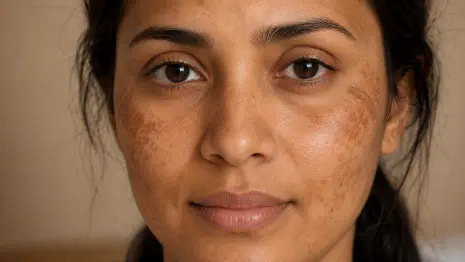
Melasma isn't the same as a sunspot or an acne mark — it's a chronic, hormone-and-light-driven condition that behaves differently and needs a different approach. The real mechanism, why visible light matters as much as UV, and an honest look at why it's so prone to relapse.
Hibiscus is marketed as 'nature's Botox' for firming skin, and appears in our own DIY glow mask recipe. Here's the dedicated look at what published research actually shows about hibiscus and skin elasticity — including the honest gap between the evidence that exists and a topical face mask.