

“Sun damage” gets used loosely — sometimes for a sunburn, sometimes for years of accumulated aging. The mechanism behind it is specific and well-studied, and understanding it clarifies something important: prevention and repair aren’t equally powerful tools here. One works far better than the other.
👉 UV damage isn’t the only thing degrading your collagen — see The Diet-Skin Connection: What the Science Actually Says for the separate way sugar damages collagen through glycation.

UVA vs. UVB: Not the Same Damage
- UVA penetrates deeper into the dermis, is present at consistent levels all day and year-round (even through glass and on cloudy days), and generates reactive oxygen species (ROS) that drive the aging process — wrinkles, loss of elasticity, sagging.
- UVB is more intense but doesn’t penetrate as deep, is the primary cause of sunburn, and directly damages skin cell DNA in addition to generating its own ROS.
Both contribute to what’s broadly called “photoaging,” but through overlapping, not identical, pathways.
The Real Mechanism: How UV Actually Destroys Collagen
UV exposure — both UVA and UVB — triggers the skin to overproduce enzymes called matrix metalloproteinases (MMPs), particularly MMP-1, MMP-3, and MMP-9. These enzymes exist normally in small amounts to break down and remodel old collagen, but UV-induced oxidative stress and DNA damage cause a dramatic overproduction of them — and they end up cleaving and degrading healthy type I and type III collagen faster than the body can replace it (source: Matrix Metalloproteinases on Skin Photoaging, PMC).
This is a genuinely different mechanism from how sugar damages collagen through glycation — UV damage is enzyme-driven degradation of existing collagen, while glycation is direct chemical cross-linking that stiffens collagen fibers. Both end in reduced skin elasticity, but they’re separate processes worth understanding separately.
Visible Signs of Cumulative Sun Damage
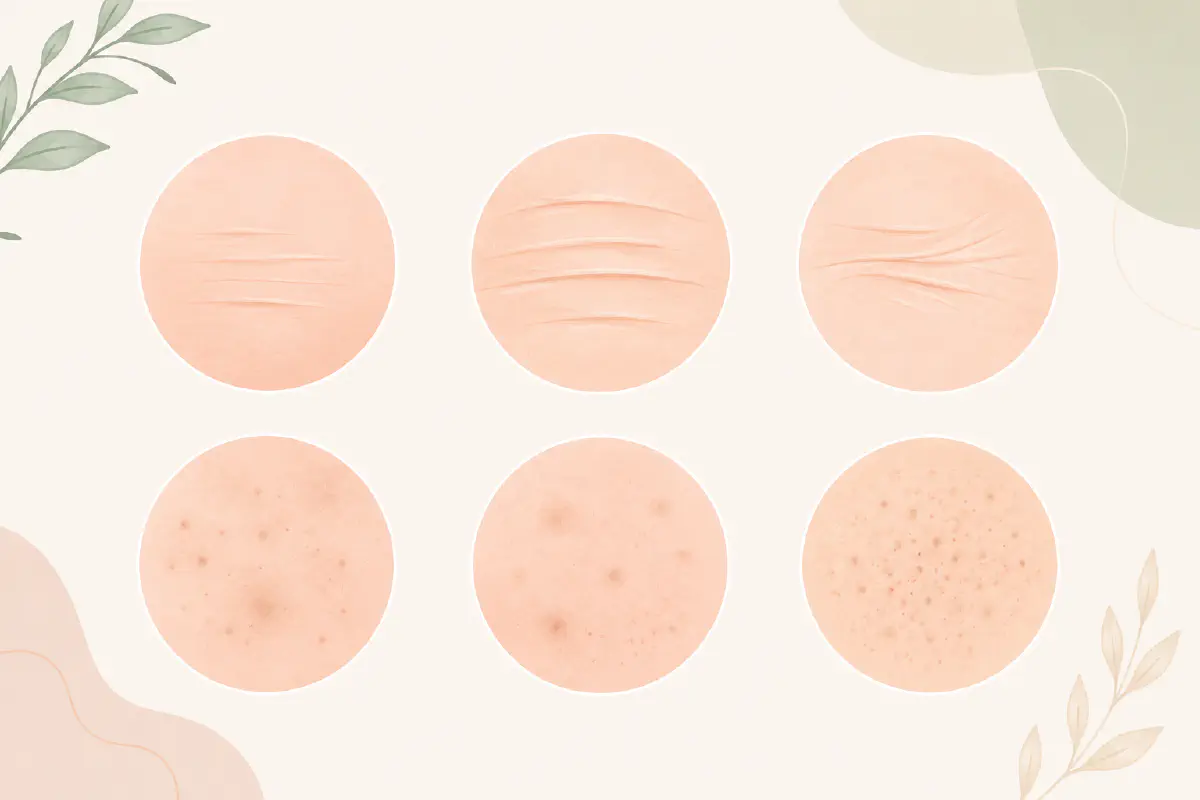
- Fine lines and deeper wrinkles, especially in habitually sun-exposed areas like the face, neck, and backs of the hands
- Hyperpigmentation and sunspots (sometimes called “age spots” or solar lentigines) — flat, darkened patches from years of UV-triggered melanin production; this same mechanism is one of the drivers behind pigmented-type dark circles specifically, and also why UV exposure prolongs post-acne hyperpigmentation marks. Worth distinguishing from melasma specifically — sunspots are purely UV-driven, while melasma also involves hormonal triggers and a broader, symmetrical pattern
- Rough, uneven texture from accumulated damage to the outer skin layers
- Visible broken capillaries, more common on fairer skin where UV-damaged blood vessel walls show through more easily
- Reduced elasticity and a duller, less even complexion overall — the cumulative visible result of the MMP-driven collagen breakdown described above
- More visible pores — the same collagen loss around each pore opening reduces its structural support, making it look stretched and more prominent; see Open Pores: Why They Happen and What Actually Minimizes Them for the full mechanism
Can Sun Damage Actually Be Reversed? An Honest Answer
Mostly, no — not fully, and it’s worth being direct about that rather than promising a transformation. Deep structural changes (significant loss of elasticity, deep-set wrinkles) generally aren’t reversible with topical products alone and may require in-office procedures to meaningfully improve.
That said, surface-level signs respond genuinely well to consistent treatment over months, not days:
- Retinoids can improve hyperpigmentation and fine lines and stimulate new collagen production, with prescription-strength options showing results in as little as 8 weeks and continued improvement over 3–6 months
- Vitamin C works as an antioxidant that reduces ongoing UV-driven ROS damage while also supporting collagen synthesis and fading existing dark spots over time
👉 See our collagen-boosting soups guide for the dietary side of collagen support, which works alongside — not instead of — topical retinoids and vitamin C.
The honest framing: prevention (sunscreen) is the single most powerful tool here, by a wide margin. Repair is real but partial and slow; prevention stops new damage from the mechanism above from happening in the first place.
What Actually Helps
| Approach | What It Does | Realistic Timeline |
|---|---|---|
| Daily broad-spectrum sunscreen | Prevents new MMP-driven collagen damage from occurring | Immediate protective effect; the single highest-leverage step |
| Retinoids | Improves texture, pigmentation, stimulates collagen | 8 weeks to first results, 3-6 months for fuller improvement |
| Vitamin C serum | Antioxidant protection + fades existing dark spots | Weeks to months of consistent use |
| In-office procedures (for deep damage) | Addresses structural changes topicals can't reach | Varies by procedure; a dermatologist consultation is the right next step |
Daily Sun Protection Habits That Actually Matter
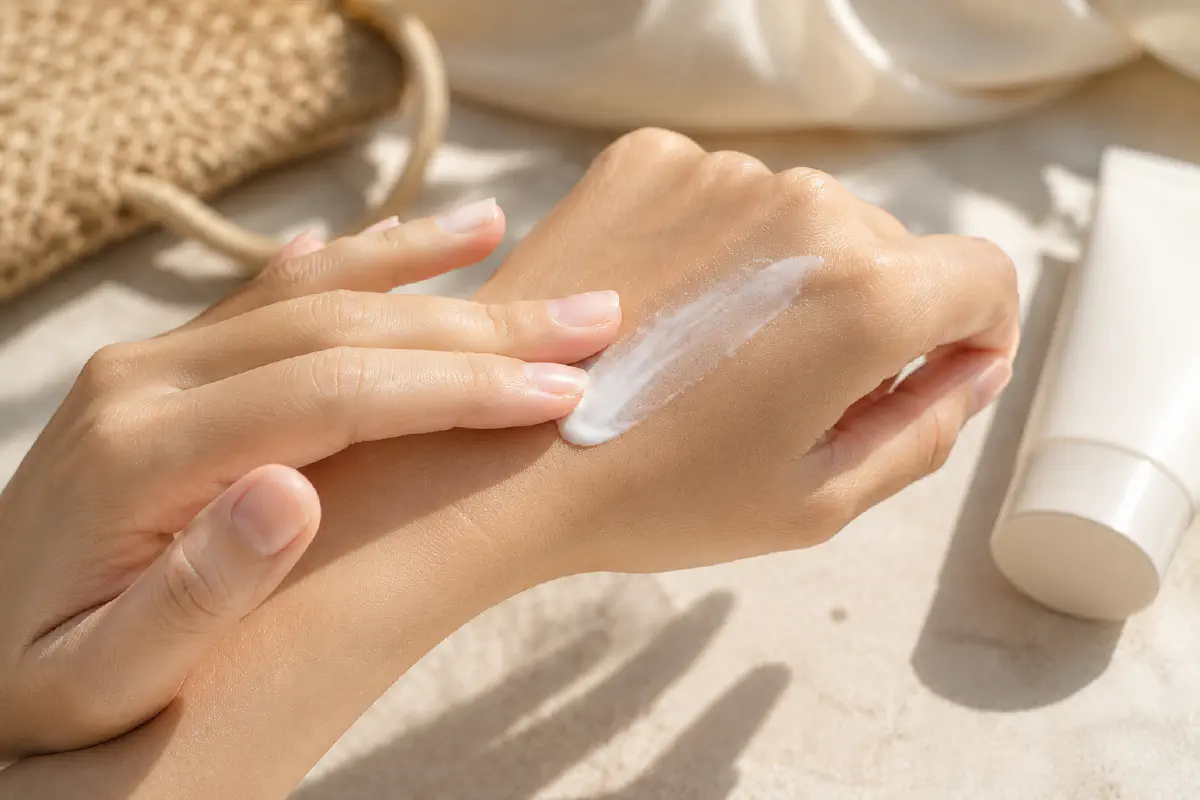
- Reapply sunscreen every 2 hours during direct sun exposure — a single morning application doesn’t last all day
- Don’t skip cloudy days — UVA passes through cloud cover and glass, so consistent daily use matters more than reacting only to visibly sunny days
- Cover up physically where practical (hats, sunglasses, shade) as a genuinely effective supplement to sunscreen, not a replacement for it
- Protect your barrier too — sun-damaged skin often has a compromised barrier alongside the collagen damage; see our skin barrier guide if dryness or sensitivity are part of the picture
Common Sun Damage Myths
“Darker skin doesn’t need sunscreen.” This is a genuinely harmful and common misconception. Melanin does provide some natural UV protection, but it’s partial, not complete — people with deeper skin tones still develop hyperpigmentation, photoaging, and skin cancer from UV exposure, and are often diagnosed later specifically because of this myth, which can mean worse outcomes. Sunscreen matters across all skin tones.
“I only need sunscreen when it’s sunny.” UVA passes through cloud cover, and consistent daily exposure through windows, overcast days, and incidental outdoor time adds up over years — this is exactly the kind of cumulative exposure that drives the MMP-mediated damage described above.
“A higher SPF number means I can apply less or less often.” SPF measures protection level, not duration or how much you need to apply — reapplication every 2 hours during exposure still applies regardless of the SPF number on the bottle.
👉 For the deeper mechanics — chemical vs. mineral formulas, why most people only get a fraction of their labeled SPF, and honest answers on bloodstream absorption and vitamin D — see Sunscreen Myths Debunked.
Frequently Asked Questions
Is a base tan actually protective against sun damage?
No — a tan itself is visible evidence of UV-induced DNA damage (the skin producing melanin as a damage response), not a protective adaptation that prevents further harm. It offers only minimal, unreliable protection.
How long does it take to see improvement from retinoids?
Prescription-strength retinoids can show initial results around 8 weeks, with continued improvement over 3–6 months of consistent use; over-the-counter retinol typically takes longer.
Does makeup with SPF count as sun protection?
Generally not sufficiently on its own — most people don’t apply enough makeup to reach the SPF level printed on the label, so it’s best treated as a minor supplement to a dedicated sunscreen, not a replacement.
Can diet help repair sun damage the way it helps with collagen from sugar?
The mechanisms are different — antioxidant-rich foods can help reduce some oxidative stress generally, but the specific enzyme-driven (MMP) damage from UV exposure isn’t addressed by diet the way glycation is; see our diet-skin connection guide for what diet actually does and doesn’t do for skin.
Is it too late to start using sunscreen if I already have visible sun damage?
No — starting sunscreen at any point stops new MMP-driven damage from accumulating further, which matters regardless of existing damage. It won’t undo what’s already there, but it protects whatever improvement you get from retinoids or vitamin C from being undermined by continued exposure.
Why do dermatologists emphasize prevention so much more than repair for sun damage specifically?
Because the mechanisms are asymmetric: sunscreen can block the great majority of the UV exposure that triggers MMP overproduction in the first place, while topical repair options only partially and slowly address damage that’s already occurred. Preventing the enzyme cascade is simply a more powerful lever than trying to reverse its downstream effects.
Final Thoughts
Sun damage happens through a specific, well-understood mechanism — UV-triggered enzymes breaking down collagen faster than it can be replaced — and that mechanism explains why prevention outperforms repair so dramatically. Sunscreen isn’t a nice-to-have alongside your “real” anti-aging routine; for this particular kind of damage, it’s the routine.