
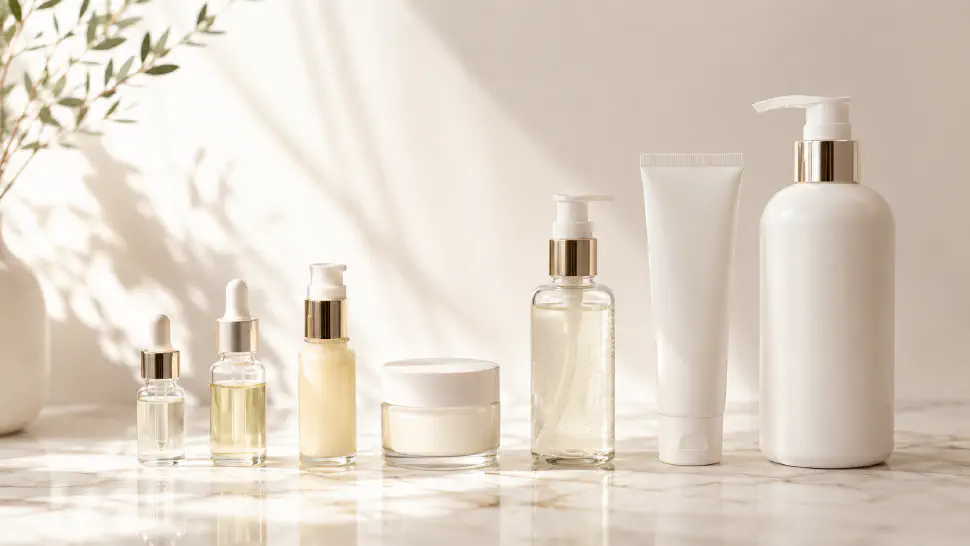

Most “glass skin routine” content is a list of products or masks — but a glass-skin result depends just as much on the order you apply things in as which things you buy. Apply a heavy cream before a water-based serum, and the serum never penetrates. Layer the wrong actives together, and you can cancel each other out or irritate skin that was otherwise fine.
👉 For the actual masks and treatments to slot into this order, see Rice Water Ice Facial: The 2026 Korean Glass Skin Trick and DIY Fermented Skincare: The Aloe, Green Tea & Honey Glass Skin Routine. This guide covers the sequencing itself.
The 3 Rules That Govern Every Routine
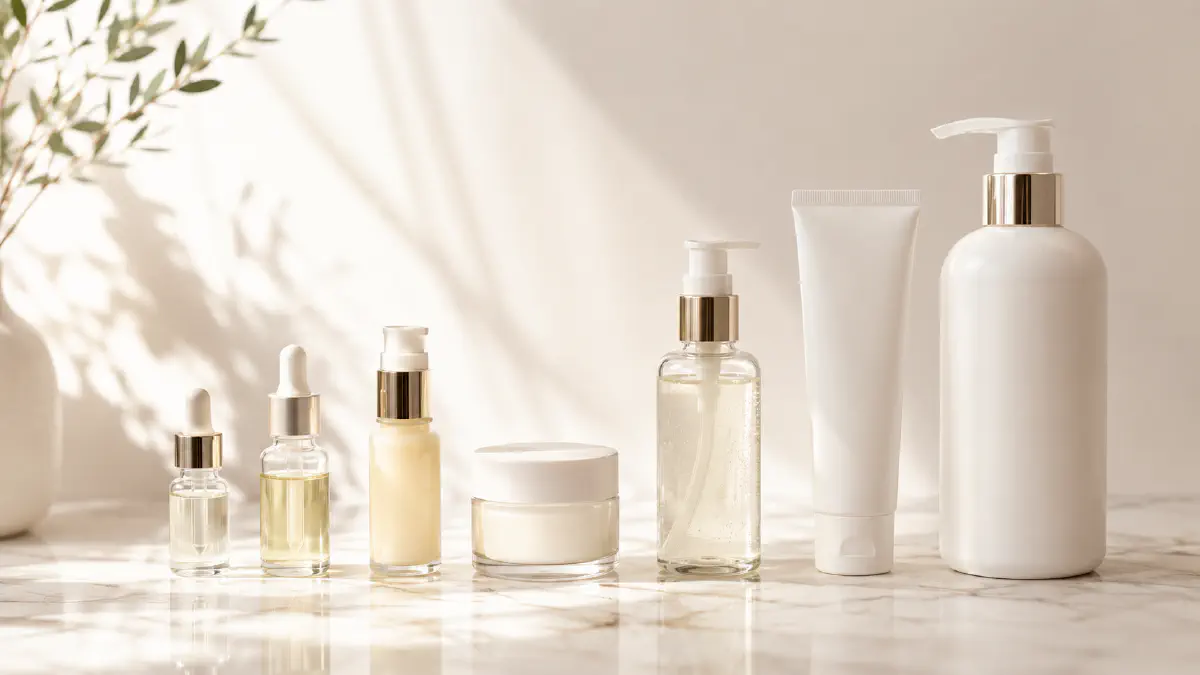
- Thinnest to thickest. Lighter, water-based products absorb quickly; thick creams and oils sit on top and can block anything applied after them. Apply light before heavy, not the other way around.
- Water-based before oil-based. Once an oil or heavy occlusive is on the skin, it forms a film that water-based actives can’t cross. Water-based steps always come first.
- Low pH before higher pH. Vitamin C (L-ascorbic acid) works best around pH 2.0–3.5, while niacinamide and retinoids function closer to neutral (pH 5.5–6). Applying low-pH actives first, waiting for them to absorb, then moving to higher-pH products gives each ingredient its best shot at working as intended.
The Correct Order
| Step | Product Type | Notes |
|---|---|---|
| 1 | Cleanser | Removes surface dirt/oil; sets a clean base |
| 2 | Toner/Essence | Rebalances and preps skin for absorption |
| 3 | Water-based serums/actives (e.g., vitamin C) | Lowest pH, applied first, wait ~10-15 min before the next step |
| 4 | Spot treatments | Targeted, applied before general moisturizer |
| 5 | Eye cream | Delicate area, lighter formulas go on before heavier face cream |
| 6 | Moisturizer | Seals in everything applied so far |
| 7 | Facial oil (if used) | Heaviest, always last among skincare steps |
| 8 | Sunscreen (AM only) | Always the final step in the morning |
👉 Choosing and correctly applying that final sunscreen step matters as much as its position in the routine — see Sunscreen Myths Debunked for why most people get far less protection than their SPF label promises.
Morning vs. Evening: What Changes
Morning is about protection: antioxidant serum (vitamin C is a common choice) → hydration → sunscreen, always last. Sunscreen only works as intended when it’s the outermost layer.
Evening is about repair and treatment: this is when retinoids, exfoliating acids, and richer treatments come in, since they don’t need to compete with sunscreen and there’s no UV exposure to worry about interacting with active ingredients.
👉 For a complete AM/PM routine structure to slot these steps into, see Ancient Practices, Modern Techniques: Achieving Glowing Skin Naturally.
Myths Worth Retiring
“Never combine niacinamide and vitamin C”
This is one of the most repeated warnings in skincare content, and it’s outdated. It traces back to older in-vitro chemistry suggesting niacinamide could convert vitamin C into a flushing-triggering compound — but that finding doesn’t hold up under the conditions used in modern, properly formulated products, and more recent dermatology research has found the two can be used together, including in the same formulation, without the feared reaction. If you still want to be cautious, applying vitamin C first and waiting 10–15 minutes before niacinamide is a reasonable, low-effort compromise — but it’s a preference, not a strict requirement.
“Retinol and exfoliating acids are basically the same, use whichever”
Not a myth in reverse — this one’s a real caution. Combining retinol with AHA/BHA exfoliants in the same session significantly increases irritation risk for most skin types. Alternate nights (retinol one night, acid exfoliant another) rather than layering both at once.
What Genuinely Shouldn’t Be Layered Together
- Benzoyl peroxide + retinol, same application — benzoyl peroxide acts as an oxidizer, while retinol is oxidized (and deactivated) by that same reaction. Dermatology sources consistently recommend benzoyl peroxide in the morning and retinol at night, rather than applying both in one routine.
- Retinol + AHA/BHA, same night — as above, this combination is more likely to cause irritation than provide added benefit; alternate nights instead.
- Multiple heavy occlusives stacked — layering more than one thick, oil-based product doesn’t add benefit and mainly risks clogged pores, especially in the T-zone; see our combination skin routine guide if oil buildup in one zone specifically is the issue.

Common Layering Mistakes
- Applying sunscreen before moisturizer — sunscreen needs to be the outermost layer to form an even, uninterrupted film on the skin; putting moisturizer on top dilutes and disrupts that film
- Skipping the wait time between actives — applying a high-pH product immediately after a low-pH one doesn’t give the first ingredient a chance to work at its intended pH before being diluted or altered
- Starting with a heavy cream “to lock in moisture first” — this traps everything applied afterward on the surface, since nothing water-based can penetrate an oil film once it’s set
- Using the same routine order in AM and PM — sunscreen has no place at night, and night-only actives like retinol shouldn’t be layered under a sunscreen step that doesn’t exist yet in your morning routine
Adjusting the Order for Your Skin Type
The core 3 rules stay the same regardless of skin type, but the specific products you slot into each step should flex:
- Oily/combination skin — favor lighter, gel-based versions at every step, and consider skipping the facial oil step in the T-zone specifically (see our combination skin routine for a fully zone-split version of this order)
- Dry/sensitive skin — the same order applies, but each step can be a richer formula, and it’s worth extending the wait time between actives to reduce irritation risk
- Acne-prone skin — if using benzoyl peroxide, keep it strictly to its own routine (morning is common), and reserve retinol for the opposite time of day rather than trying to fit both into one sequence
A Sample Glass Skin Routine, In Order
Morning: Gentle cleanser → hydrating toner → vitamin C serum (wait 10-15 min) → hyaluronic acid → moisturizer → sunscreen
Evening: Double cleanse if wearing sunscreen/makeup → hydrating toner → treatment night (retinol OR acid exfoliant, not both) → richer moisturizer or facial oil
2–3x weekly: Swap the evening treatment step for a mask session — see our 3-Ingredient Glow Mask or rice water and flaxseed gel 7-day challenge for options that fit into this same structure.
Frequently Asked Questions
Does layering order really matter that much?
Yes, particularly for the water-before-oil and pH-order principles — applying a heavy cream before a water-based serum genuinely blocks that serum from absorbing, regardless of how good the serum itself is.
How long should I wait between steps?
A general 30–60 second gap is reasonable for most steps; active serums (vitamin C, retinol) benefit from 1–2 minutes before the next product to let them absorb and start working at their intended pH.
Can I use vitamin C and retinol in the same routine?
Most dermatology guidance suggests separating them — vitamin C in the morning, retinol at night — rather than layering both in one session, partly due to pH mismatch and partly to avoid over-processing skin with two strong actives at once.
Do I need every single step every day?
No — the order matters more than the step count. A simplified 4-step routine (cleanser, serum, moisturizer, sunscreen) that follows the correct order will outperform a 10-step routine applied in the wrong sequence.
Final Thoughts
Glass skin is as much a sequencing problem as a product problem. Get the order right — thin to thick, water before oil, low pH before high pH — and even a simple routine will outperform an expensive one applied in the wrong sequence.