
Table of Contents
- Why Fermentation Changes Everything
- Fermented Aloe Vera for Skin Barrier Repair
- Fermented Green Tea Toner Benefits
- Fermented Honey Mask for Glass Skin
- The Natural Poonam Fermented Routine
- Safety & Storage Guidelines
- How to Ferment Skincare Ingredients Safely
- The 7-Day Fermented Glass Skin Challenge
- Fermented Skincare FAQs
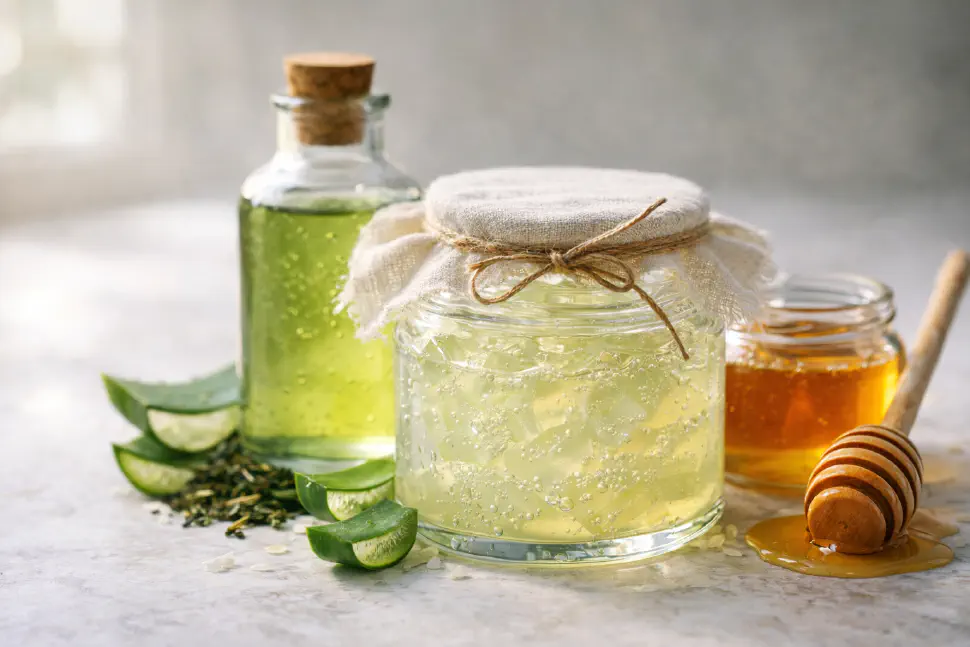
Fermentation is the secret bridge between ancient beauty wisdom and modern skin science. By transforming simple kitchen staples into bioactive powerhouses, you can achieve the coveted Korean Glass Skin glow without the luxury price tag.
In Korean skincare, fermentation helps unlock deeper hydration, stronger barrier repair, and brighter, smoother-looking skin. Instead of relying only on expensive serums and treatments, you can use simple natural ingredients like aloe vera, green tea, and honey to create a fermented skincare routine at home.
In this guide, we are combining the “Big Three” of natural beauty—Aloe Vera, Green Tea, and Honey—into a fermented routine that repairs, brightens, and hydrates.
🧬 Why Fermentation Changes Everything
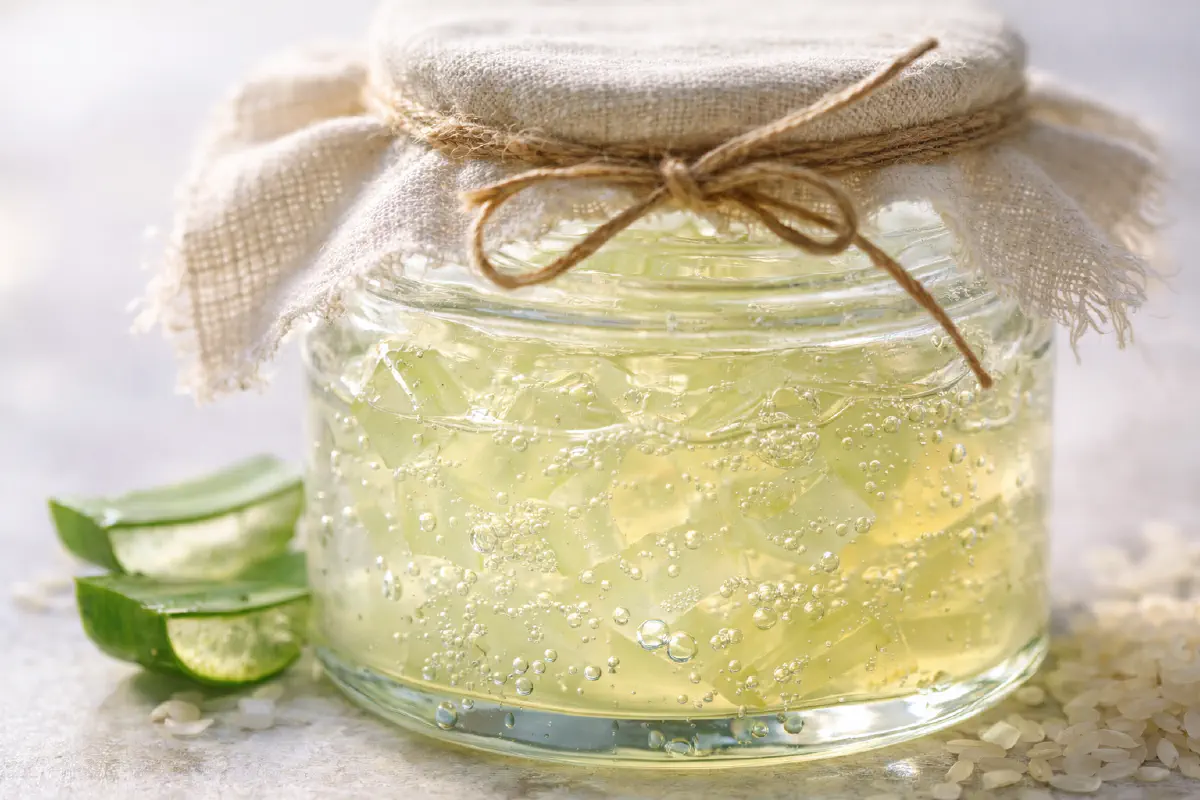
When you ferment these ingredients, beneficial microbes break down plant compounds into micro-molecules that become easier for your skin to absorb.
This process is what makes fermented skincare feel so powerful and effective.
Deep Penetration
Fermented nutrients dive deeper into the skin, helping active compounds reach beyond the surface for better hydration and nourishment.
Probiotic Boost
You are feeding your skin’s good bacteria, which helps support the skin microbiome and may improve resilience against acne, irritation, and sensitivity.
Acid Activation
The fermentation process creates natural organic acids that gently resurface the skin, helping remove dullness and reveal a smoother, more reflective glow.
This is why fermented ingredients are often used in K-beauty formulas designed to create the glass skin effect.
Learn the full recipe in Fermented Aloe Vera Mask: A Natural Remedy for Skin Barrier Repair.
🌿 1. The Soother: Fermented Aloe Vera
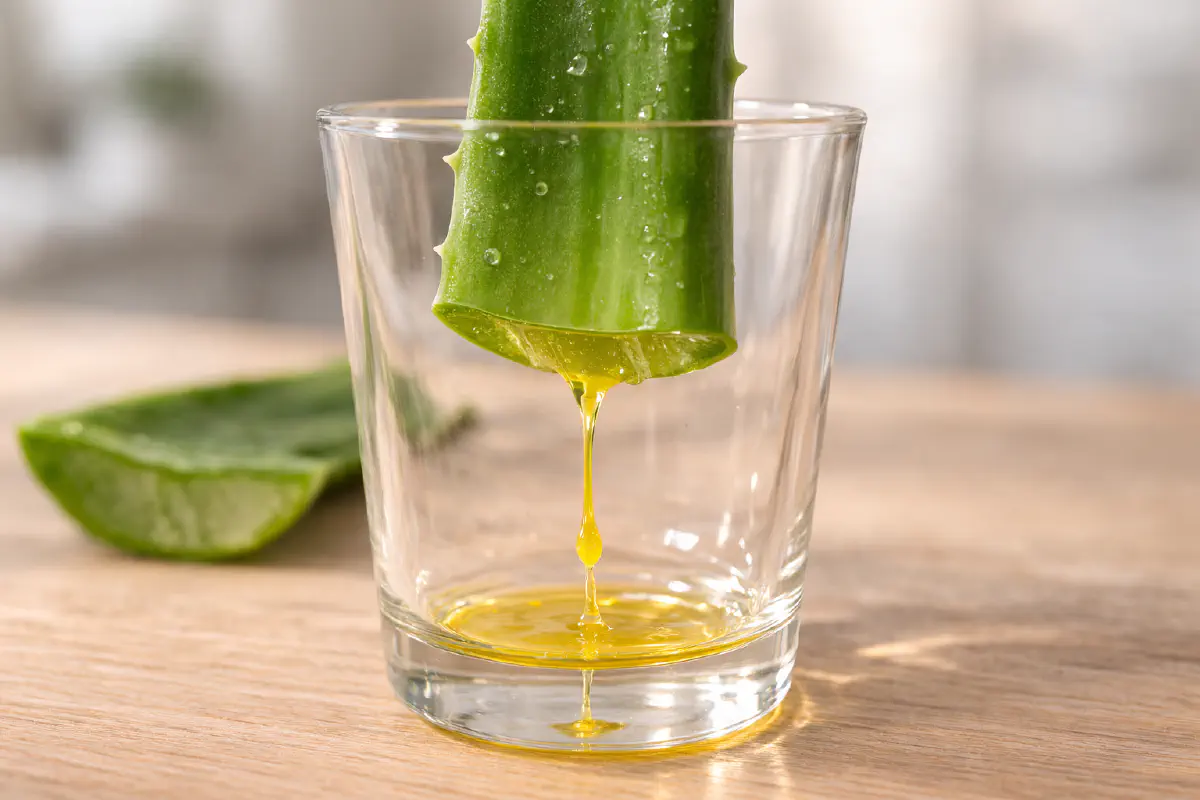
Best for: redness, dehydration, and barrier repair.
Aloe vera is naturally rich in polysaccharides, enzymes, vitamins, and antioxidants. On its own, it is already one of the most soothing ingredients in natural skincare.
But fermentation changes everything.
When aloe is fermented, its larger sugars and plant compounds become more bioavailable, meaning the skin can use them more efficiently. This enhances aloe’s natural ability to soothe stressed skin and support the skin barrier.
Why fermented aloe works
helps calm visible redness
supports a damaged skin barrier
improves hydration
reduces tight, irritated skin
makes skin feel softer and more comfortable
The Recipe
2 tbsp fresh aloe gel
1 tsp rice water or green tea
The Process
Blend until smooth.
Place in a sterilized glass jar.
Let sit loosely covered for 24–48 hours at room temperature.
How to Use
Apply as a thick mask for 15–20 minutes when your skin feels angry, dry, or inflamed.
Fermented aloe is especially helpful after sun exposure, overwashing, or whenever your skin barrier feels weak.
🍵 2. The Protector: Fermented Green Tea Toner
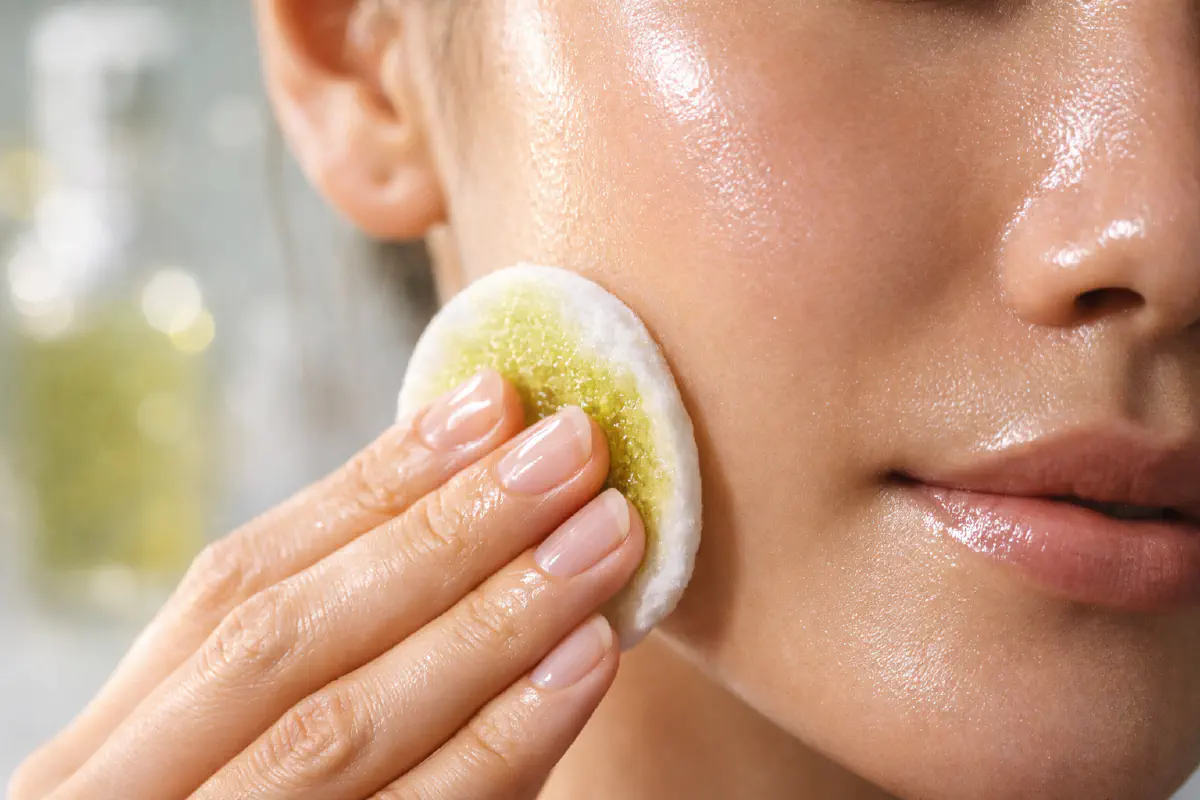
Best for: environmental protection, oil control, and brightening.
Green tea is packed with polyphenols and catechins, powerful antioxidants known for protecting the skin from external stress. It is one of the most respected ingredients in both traditional beauty rituals and modern skincare.
Fermentation enhances these antioxidants, helping create a stronger protective shield for the skin.
Why fermented green tea works
helps protect against environmental damage
supports brighter-looking skin
helps calm redness
may help balance oily or acne-prone skin
refreshes tired, dull skin
Fermented green tea is especially useful as a daily shield against 2026 urban pollution, heat, and environmental stress.
The Recipe
1 cup cooled brewed green tea
1 tsp raw honey
The Process
Brew the green tea and let it cool completely.
Add honey and mix well.
Pour into a glass bottle or jar.
Let it sit for 24 hours.
How to Use
Swipe over clean skin morning and night. Store it in the fridge for an extra depuffing “ice” effect.
Learn the full recipe in 7-Day Glass Skin Challenge: How to Use Rice Water & Flaxseed Gel for Poreless Glow ✨.
🍯 3. The Glow-Maker: Fermented Honey Mask
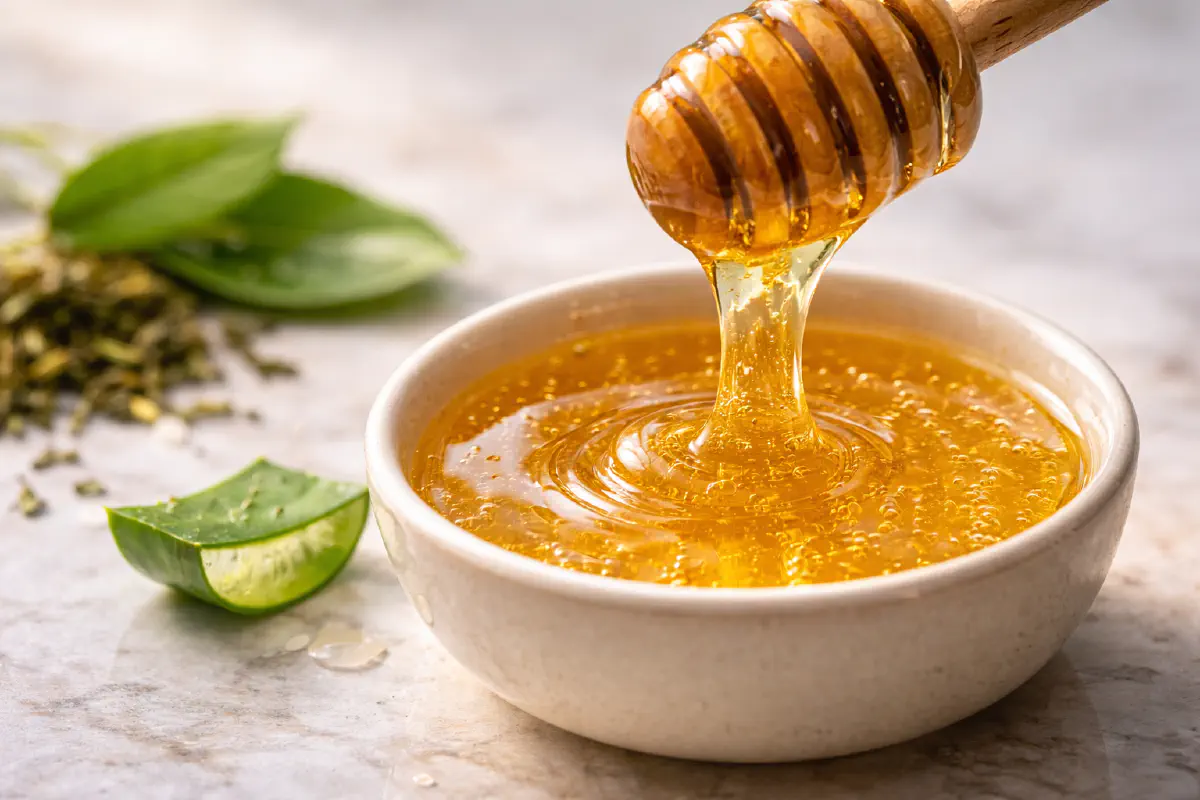
Best for: bacterial balance, deep moisture, and “Glass Skin” shine.
Honey has been used for centuries as a beauty ingredient because it is naturally antibacterial, moisturizing, and soothing. It acts as a humectant, helping the skin draw in and hold moisture.
When honey is fermented, it develops natural enzymes and beneficial compounds that act like a very gentle “no-peel” exfoliant.
Why fermented honey works
deeply hydrates the skin
helps support bacterial balance
softens rough texture
boosts radiance
leaves skin plump and nourished
The Recipe
1 tbsp raw honey
1 tsp aloe gel
3 drops green tea
The Process
Mix everything in a small sterilized glass jar.
Allow it to activate for 24–48 hours in a dark corner.
How to Use
Massage into damp skin, leave for 15 minutes, and rinse.
Your skin will feel like silk—soft, smooth, and deeply hydrated.
🧖♀️ The “Natural Poonam” Fermented Routine
Morning: The Refresh
Cleanse
Use lukewarm water or a gentle cleanser to refresh the skin without stripping it.
Tone
Apply your Fermented Green Tea Toner to wake up the skin, reduce puffiness, and add a fresh antioxidant layer.
Moisturize
Seal everything in with your favorite moisturizer.
Protect
Finish with SPF to protect your glow and support barrier repair.
Night: The Repair
Cleanse
Remove the day’s pollution, sunscreen, and buildup.
Treat
Use the Fermented Aloe Mask (3x a week) when your skin feels irritated, dry, or compromised.
Use the Fermented Honey Mask (2x a week) when your skin looks dull and needs softness and glow.
Recover
Apply a richer moisturizer at night to lock in hydration and let the ferments work while you sleep.
This simple routine helps support your skin barrier, microbiome, and moisture balance over time.
Learn the full recipe in Rice Water 2.0 for Hair Growth (2026): The Fermented Peptide Method.
🛡️ Safety & Storage (The 2026 Standards)
Fermented skincare can be powerful, but because these recipes do not contain synthetic preservatives, hygiene matters.
Sterilize
Always dip your jars and tools in boiling water before use to make sure you are only encouraging the right kind of microbial activity.
The Sniff Test
Fermented skincare should smell slightly tangy, mildly sweet, or fresh.
If it smells like old garbage, rot, or something sharply unpleasant, throw it away immediately.
Fridge Life
Store all DIY fermented skincare in the refrigerator.
Because these formulas contain no preservatives, use them within 4–5 days.
Small batches only
Never make large amounts. Fresh, small batches are safer and work better.
Patch test first
Test each recipe on the inside of your wrist or behind your ear for 24 hours before applying it to your face.
🧪 How to Ferment Skincare Ingredients Safely at Home
Fermentation can transform simple ingredients into skincare powerhouses, but it must be done carefully.
Unlike commercial products, DIY fermented skincare has no preservative system, which means safety depends on your method.
1. Always sterilize containers
Before fermenting:
Wash your jar thoroughly.
Pour boiling water into it.
Let it sit for 2–3 minutes.
Air dry completely.
This reduces the risk of harmful contamination.
2. Use fresh, high-quality ingredients
Use:
fresh aloe vera gel
freshly brewed green tea
raw honey
Avoid old, processed, or questionable ingredients.
3. Control the fermentation time
Most DIY skincare ferments need only 24–48 hours.
Good signs:
light tangy smell
slight texture change
no mold
no strange discoloration
Bad signs:
foul smell
visible mold
bubbling that seems excessive
rotten or dirty odor
If anything seems wrong, discard it.
4. Refrigerate after fermentation
Once the mixture has fermented, refrigerate it right away.
Recommended use window:
fermented aloe: up to 4 days
green tea toner: 3–4 days
fermented honey mask: up to 5 days
5. Patch test every new batch
Natural does not always mean irritation-free. Always test first before full facial use.
Learn the full recipe in The Ultimate Guide to Banana Skin Benefits for a Radiant Face.
✨ The 7-Day Fermented Glass Skin Challenge
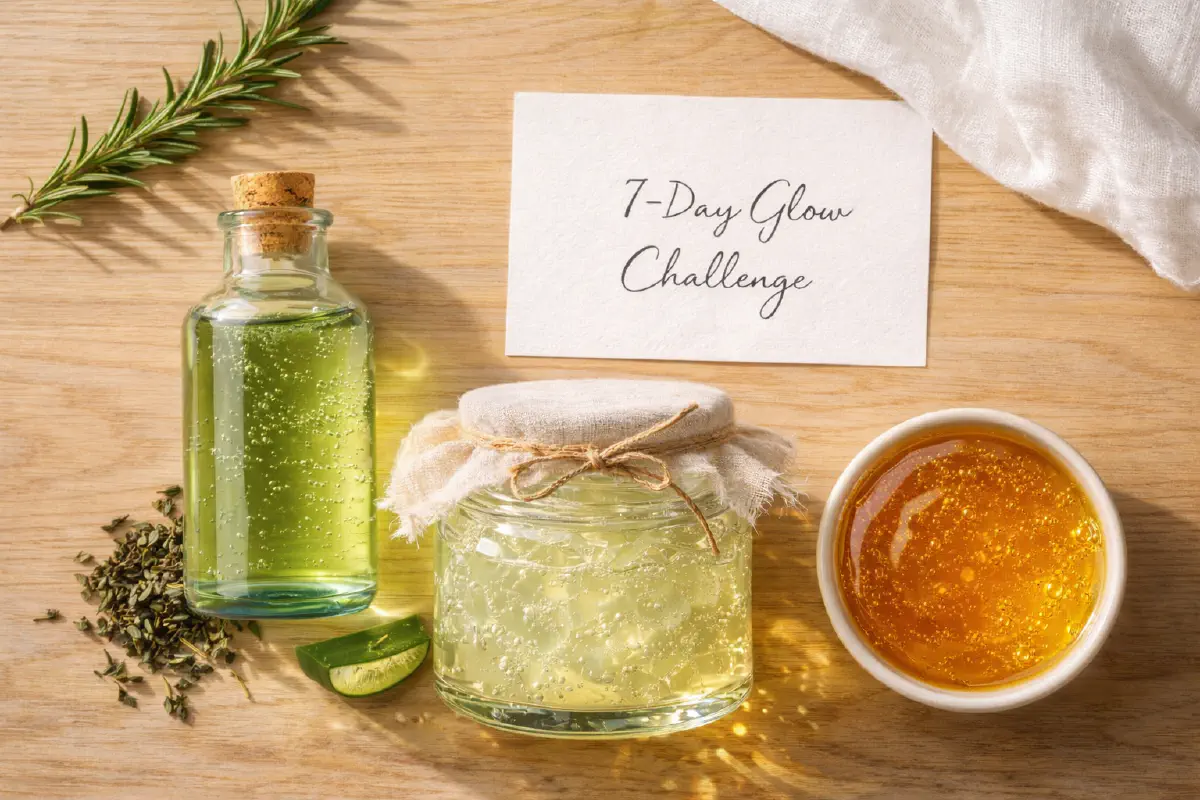
If you want to see visible results quickly, follow this simple 7-day fermented glow routine.
It is designed to improve hydration, support the skin barrier, and help your complexion look smoother and more radiant.
Day 1 – Skin Reset
Cleanse gently and apply Fermented Green Tea Toner to refresh dull skin and begin antioxidant protection.
Day 2 – Hydration Boost
Apply the Fermented Aloe Vera Mask for 20 minutes to restore moisture and calm stressed skin.
Day 3 – Microbiome Support
Use the Fermented Honey Mask to support bacterial balance and soften texture.
Day 4 – Barrier Strengthening
Repeat the Fermented Aloe Vera Mask to comfort irritation and reinforce the barrier.
Day 5 – Brightness Boost
Use Fermented Green Tea Toner morning and night for a clearer, fresher look.
Day 6 – Deep Glow Treatment
Apply the Fermented Honey Mask again to improve softness, hydration, and glow.
Day 7 – Glass Skin Day
Follow the full routine:
Cleanse
Green Tea Toner
Aloe Mask
Moisturizer
By the end of the week, many people notice:
smoother texture
improved hydration
less visible redness
a fresher, more reflective glow
Consistency after the first week can improve results even more.
❓ Fermented Skincare FAQs
1. What does fermented skincare do for your skin?
Fermented skincare helps break down ingredients into smaller, more absorbable nutrients. This allows active compounds like amino acids, antioxidants, and vitamins to penetrate deeper into the skin. As a result, fermented skincare can improve hydration, skin barrier strength, and overall glow.
2. Is fermented skincare good for sensitive skin?
Yes, fermented ingredients like aloe vera and honey can be very soothing for sensitive skin because fermentation enhances their calming and barrier-repair properties. However, it is always important to perform a patch test first to make sure your skin tolerates the ingredients well.
3. How long should DIY skincare ferment?
Most DIY fermented skincare recipes should ferment for 24–48 hours. This allows beneficial microbes to activate without letting the mixture spoil. If the product develops an unpleasant odor or visible mold, it should be discarded.
4. Can fermented skincare help with acne?
Fermented skincare may help improve acne by supporting the skin microbiome and reducing harmful bacteria. Ingredients like fermented green tea and honey also contain antioxidants and antibacterial compounds that help calm inflammation.
5. How long does DIY fermented skincare last?
Because homemade fermented skincare does not contain preservatives, it should always be stored in the refrigerator and used within 3–5 days. Making small batches helps ensure freshness and safety.
Final Thoughts
Fermented skincare is one of the most beautiful examples of how ancient ritual meets modern skin science.
By fermenting simple ingredients like aloe vera, green tea, and honey, you transform them into more active, bioavailable treatments that help hydrate, brighten, and support the skin barrier.
This routine is simple, affordable, and deeply aligned with the Natural Poonam philosophy: using gentle, natural ingredients to create visible results.
With consistency, care, and safe preparation, this fermented routine can help you move closer to the luminous, healthy, hydrated finish often described as Korean Glass Skin.