
Healthy skin begins with a strong skin barrier. When this protective layer becomes damaged, the skin can become dry, irritated, sensitive, and prone to breakouts.
In recent years, fermented skincare ingredients have become a major trend in modern beauty routines because fermentation can improve ingredient absorption and support the skin microbiome.
Many popular Korean skincare brands such as COSRX, Laneige, and Innisfree use fermented ingredients in their formulas to enhance hydration and strengthen the skin barrier.
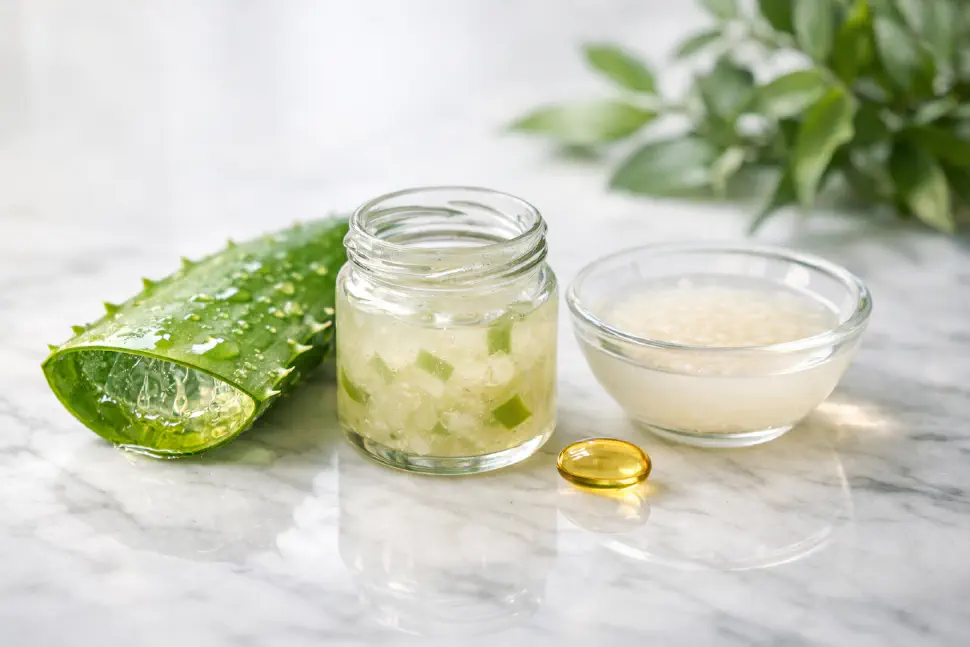
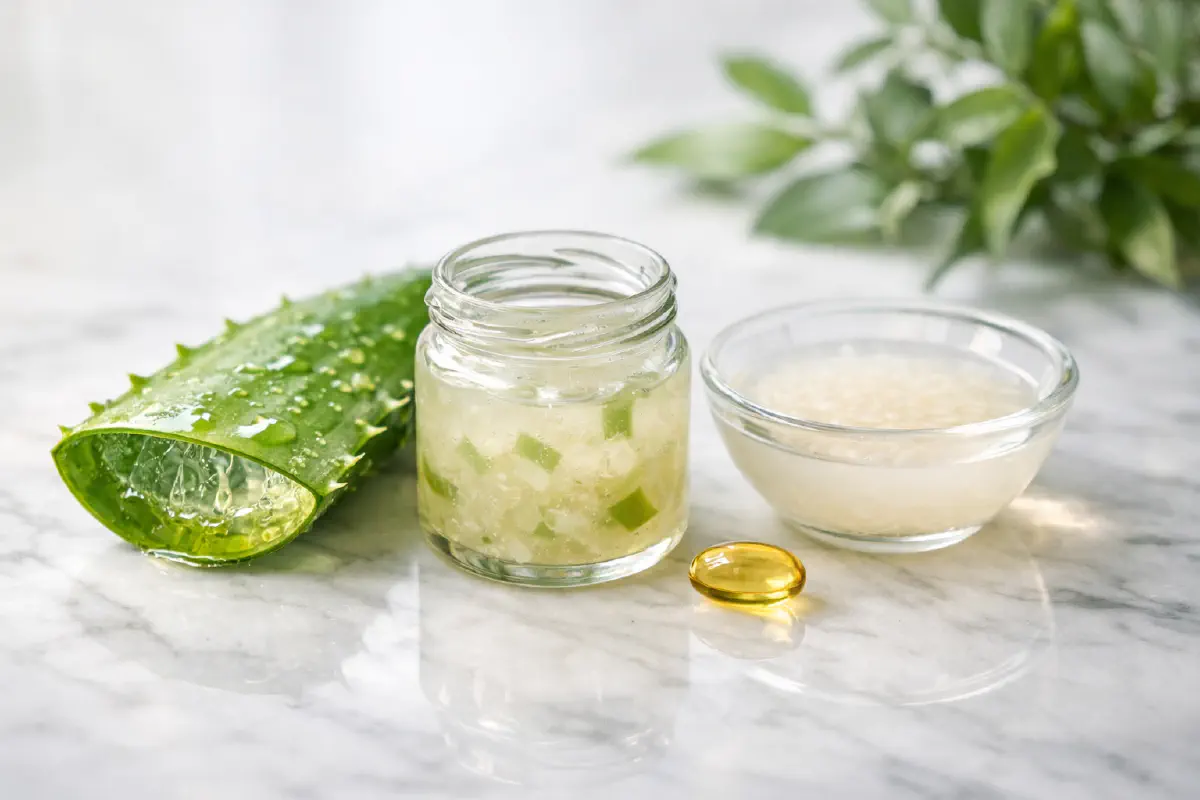
Inspired by these techniques, this DIY fermented aloe vera mask combines aloe vera, rice water, and vitamin E to create a soothing treatment that helps hydrate, calm irritation, and support healthy skin.
What Is a Fermented Aloe Vera Mask?
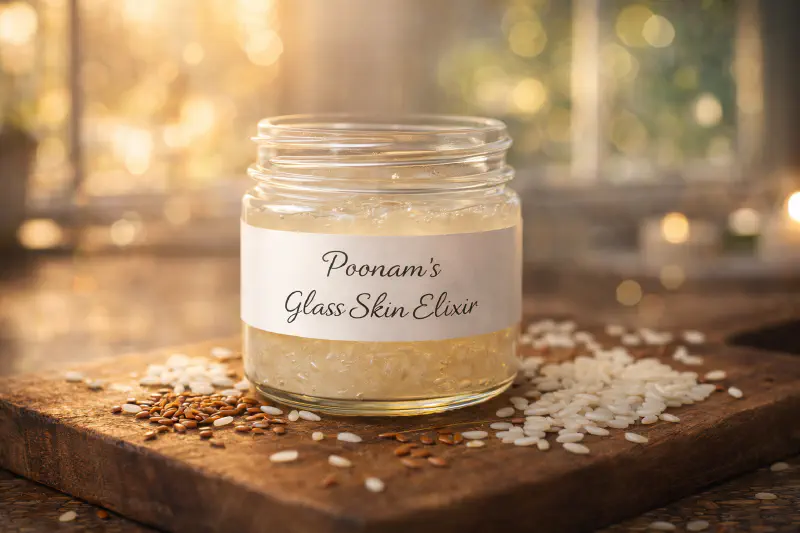
A fermented aloe vera mask is a natural skincare treatment made by mixing aloe vera gel with rice water and allowing it to ferment for about 18–24 hours.
During fermentation, natural microorganisms break down nutrients into smaller molecules that may be easier for the skin to absorb.
This mask is commonly used to:
support the skin barrier
deeply hydrate dry skin
calm redness and irritation
soothe acne-prone skin
improve overall skin glow
What Is the Skin Barrier?
The skin barrier, also known as the stratum corneum, is the outermost layer of the skin.
Its primary role is to protect the skin from environmental damage while keeping moisture locked inside.
A healthy skin barrier helps defend against:
pollution
bacteria and irritants
moisture loss
environmental stress
When the barrier becomes compromised, common symptoms include:
redness
dryness
sensitivity
acne breakouts
dull or rough skin
Because of this, skin barrier repair has become a major focus in modern skincare routines.

For a deeper guide, see Enhance Your Skins Glow with Turmeric: A Natural Approach to Lightening.
Why Fermented Skincare Works
Fermentation is a natural process where beneficial microorganisms break down ingredients into smaller compounds.
This process enhances skincare ingredients in several ways.
Better Absorption
Fermented ingredients are easier for the skin to absorb.
Increased Antioxidants
Fermentation can increase antioxidant activity.
Microbiome Support
Fermented compounds may help balance the skin’s natural microbiome.
Improved Hydration
Fermented ingredients often help improve moisture retention and skin softness.
These benefits are one reason fermentation is widely used in Korean skincare.
🛡️ Safety First: Read This Before Making the Mask
To enjoy the benefits of this fermented aloe vera mask safely, follow these important guidelines.
🌿 The “Yellow Sap” Rule
Fresh aloe leaves contain a yellow liquid called aloin, which may irritate sensitive skin.
Before extracting the gel:
Cut the aloe leaf.
Stand it upright in a glass.
Allow it to drain for 10–15 minutes so the yellow sap flows out.
Rinse the leaf after draining to ensure all the yellow aloin residue is removed.
Then extract the clear gel.
Removing this sap makes aloe much gentler for facial use.
🧴 Sterilize Your Tools
Since this recipe involves natural fermentation, hygiene is very important.
Before preparing the mask:
Dip your glass jar and mixing spoon in boiling water for 30 seconds, or
Clean them using food-grade alcohol.
This helps prevent unwanted bacteria from contaminating the mixture.
👃 The “Tang” Test
After 18–24 hours, the fermented mixture should smell slightly tangy or mildly vinegary, similar to kombucha or fermented rice water.
This indicates mild fermentation.
Discard the mixture if you notice:
a rotten smell
fuzzy mold
unusual discoloration
If anything seems questionable, it is safest to throw it away and start fresh.
For a deeper guide, see DIY Ice Facials: Simple Cubes for Stunning Skin Effects.
🧪 Always Do a Patch Test
Even natural ingredients can cause reactions.
Before applying the mask to your face:
Apply a small amount behind your ear or on your inner arm.
Wait 24 hours.
If no irritation occurs, it should be safe to use.
Patch testing is always recommended when trying a new skincare treatment.
How to Make a Fermented Aloe Vera Mask at Home
This mask combines soothing, hydrating, and barrier-supporting ingredients.
Ingredients
| Ingredient | Purpose |
|---|---|
| Fresh Aloe Vera | Hydrates and soothes inflammation |
| Rice Water (the water from soaking rinsed, uncooked rice for 30 minutes) | Supports fermentation and brightens skin |
| Vitamin E Oil | Helps repair the skin barrier |
| Tea Tree Oil (optional) | Anti-bacterial support for acne |
Step-by-Step Fermentation Method
Step 1: Extract Aloe Gel
Extract 2 tablespoons of fresh aloe vera gel from the leaf.
Step 2: Mix Ingredients
Combine the aloe gel with 2 tablespoons of rice water in a clean glass jar.
Step 3: Cover Loosely
Cover the jar loosely with a lid or breathable cloth.
Step 4: Ferment
Place the jar in a dark corner at room temperature for 18–24 hours.
A slightly tangy scent is normal during fermentation.
Step 5: Add Vitamin E
Before using the mask, stir in 3 drops of Vitamin E oil.
How to Use the Fermented Aloe Vera Mask
Cleanse your face thoroughly.
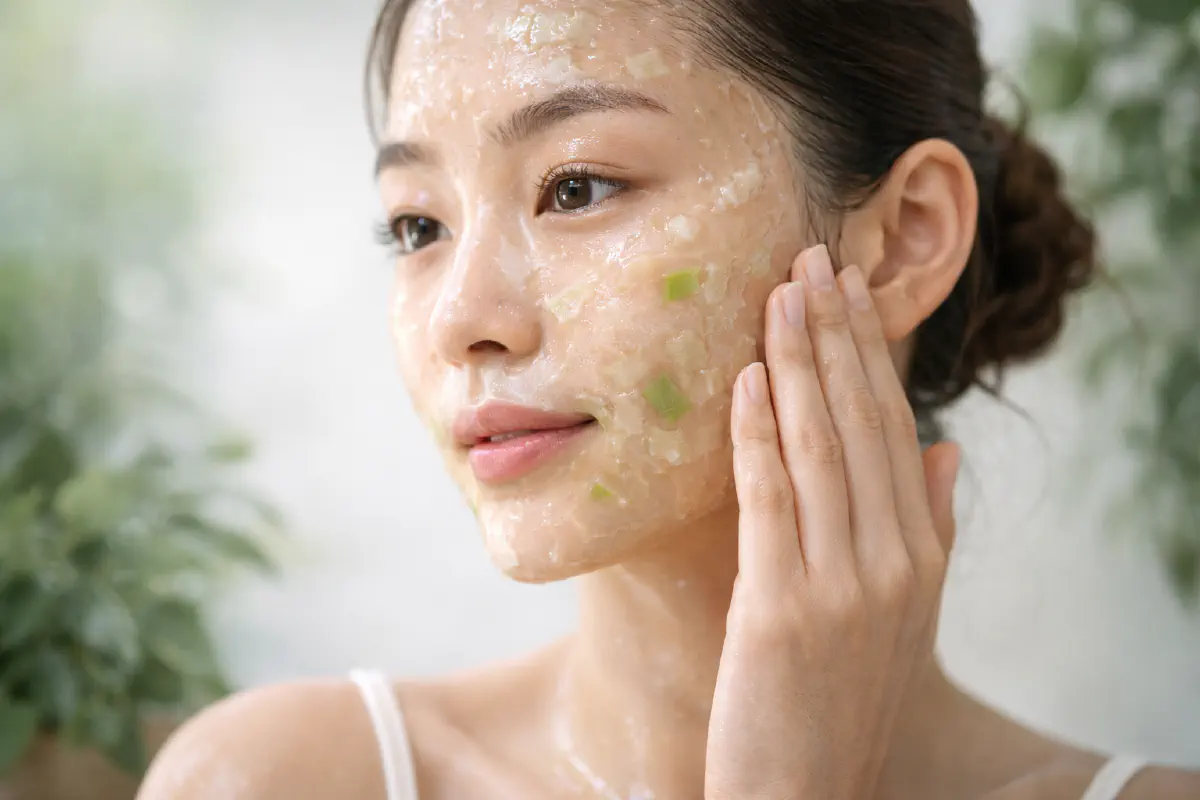
Apply a generous layer of the mask.
Leave it on for 15–20 minutes.
Rinse with lukewarm water.
Apply a moisturizer afterward.
Use the mask 2–3 times per week for best results.
Benefits of the Fermented Aloe Vera Mask
Deep Hydration
Aloe vera helps restore moisture to dry skin.
Skin Barrier Repair
Vitamin E supports the lipid layer that protects the skin.
Acne Soothing
Aloe and tea tree oil may help calm inflammation.
Healthy Glow
Regular use may improve skin texture and hydration.
Who Should Try This Mask?
This mask may benefit people with:
dry skin
sensitive skin
acne-prone skin
damaged skin barrier
dull or dehydrated skin
Storage Tips
After fermentation:
Store the mixture in the refrigerator
Use within 3–4 days
Discard if the smell becomes unpleasant
Frequently Asked Questions
Can I use store-bought aloe vera gel?
Yes, but fresh aloe vera gel is usually more potent and contains fewer additives.
Will the fermented mask smell bad?
No. Properly fermented aloe should smell slightly tangy, similar to fermented rice water. If it smells rotten, discard it.
How long does the fermented aloe mask last?
Once fermented, it should be stored in the refrigerator and used within 3–4 days.
Can I use this mask every day?
It is best to use the mask 2–3 times per week to avoid over-treating the skin.
For a deeper guide, see Boost Your Collagen Naturally with DIY Face Masks.
Final Thoughts
Fermented skincare has become increasingly popular because fermentation can enhance ingredient effectiveness and absorption.
This DIY fermented aloe vera mask offers a simple natural way to hydrate the skin, calm irritation, and support the skin barrier.
With regular use, it may help restore balance and promote a healthier natural glow.