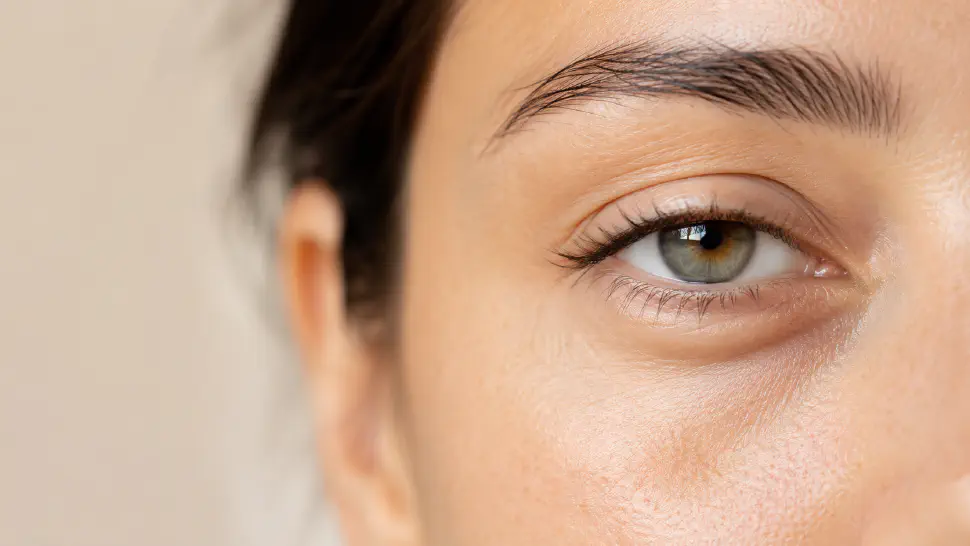

“Dark circles” gets treated as a single problem with a single fix, which is exactly why so many remedies work great for some people and do nothing for others. Clinically, dark circles are classified into distinct types with genuinely different causes — and matching the treatment to the type is what actually determines whether something helps.
👉 For a specific DIY treatment recipe once you’ve identified your type, see DIY Gelatin Eye Patches: Real Hydrogel Results at Home. This guide covers the causes and how to tell them apart first.
Why Under-Eye Skin Is Different
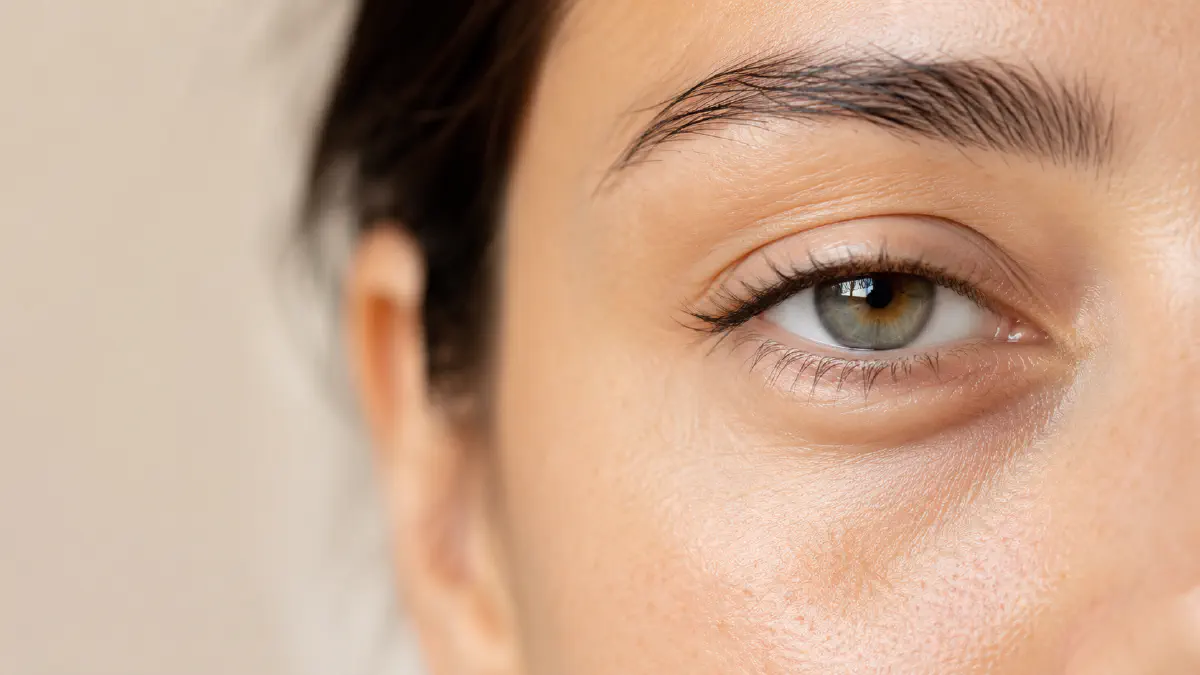
The skin under the eyes is noticeably thinner and more delicate than skin elsewhere on the face, with less supporting fat and connective tissue. That thinness is the reason this area shows blood vessels, pigment changes, and structural shadows so much more readily than the rest of your face — it’s not that something is uniquely wrong with your under-eye skin, it’s that its structure makes underlying issues more visible there first.
The 4 Clinical Types
| Type | Appearance | Underlying Cause |
|---|---|---|
| Pigmented | Brown hue | Excess melanin — genetics, sun exposure, or inflammation from rubbing/allergies |
| Vascular | Blue, pink, or purple hue | Visible blood vessels through thin skin, sometimes with puffiness |
| Structural | Shadow, same color as surrounding skin | Facial anatomy — under-eye hollows, fat loss, or bone structure casting a shadow |
| Mixed | Combination of the above | Most people actually fall here rather than in one pure category |
Source: Periorbital Hyperpigmentation: A Comprehensive Review, Journal of Clinical and Aesthetic Dermatology.
A Simple Self-Test to Identify Your Type
- Gently stretch the skin under your eye. If the darkness noticeably lightens, blood is being displaced — a strong sign of a vascular component.
- Look in bright, direct light versus soft, angled light. If the darkness looks like a distinct shadow that shifts with the angle of light rather than a flat color, that points to a structural component.
- If neither test changes the appearance much, and the color stays a consistent flat brown regardless of stretching or lighting, that points to a pigmented component.
Most people will notice a mix of these, which is normal — mixed presentations are more common than any single pure type.
How the Evidence-Backed Ingredients Actually Work
- Caffeine — acts as a vasoconstrictor, temporarily narrowing the visible blood vessels responsible for vascular-type darkness; this is why chilled caffeine-containing eye products (or a simple cold compress) can produce a visible, if temporary, effect within minutes
- Vitamin K — thought to support blood clotting and circulation processes near the surface, though most of the research behind it comes from combination formulas rather than vitamin K used alone, which weakens how much credit it can specifically take
- Retinol — works through collagen stimulation and dermal thickening, which is a slow structural change (weeks to months) rather than an immediate cosmetic one, and is the reason it can offer modest help for the structural type specifically
- Vitamin C and niacinamide — both interfere with excess melanin production at the cellular level, which is why they target the pigmented type rather than the vascular or structural ones
This same pigmented-vs-vascular split shows up elsewhere on the face too — see Acne Scarring: Types and What Actually Fades Them for how post-inflammatory hyperpigmentation (brown, melanin-driven) and post-inflammatory erythema (red, vascular) follow the same two mechanisms.
What Actually Helps, By Type
| Type | What Has Evidence | Honest Limitations |
|---|---|---|
| Vascular | Caffeine (vasoconstrictor, better standalone evidence), vitamin K (modest evidence, mainly studied in combination formulas), cold compress/patches | Effects are visible but typically temporary; needs ongoing use |
| Pigmented | Vitamin C, niacinamide, daily sun protection, avoiding rubbing/friction | Improvement is gradual over weeks to months, similar to hyperpigmentation elsewhere on the face |
| Structural | Retinol (modest collagen-building/thickening effect) | This is the type topical products help with least — meaningful change generally requires volume restoration (filler), which is a procedure, not a home remedy |
👉 Sun exposure specifically worsens the pigmented type — see What Sun Damage Actually Does to Skin and Sunscreen Myths Debunked for why daily SPF matters here too, not just for wrinkles.
Common Myths
“More sleep and water will fix dark circles completely.” Sleep and hydration genuinely help with transient puffiness and a temporarily dull, tired appearance, but they don’t meaningfully change established pigmented, vascular, or structural dark circles — those have physical causes that rest alone doesn’t reverse.
“Concealer makes dark circles worse over time.” No credible evidence supports this — concealer is cosmetic camouflage with no mechanism to worsen the underlying cause.
“If a dark-circle cream isn’t working, you’re just not using enough.” More likely explanation: you’re using a product formulated for a type you don’t actually have — a vitamin-C-forward product won’t do much for a purely vascular or structural presentation.
When to See a Doctor
- Dark circles that appeared suddenly, especially with itching or swelling (possible allergic reaction, sometimes called “allergic shiners”)
- Circles that are notably asymmetric or one-sided
- Associated symptoms like fatigue, unusual paleness, or other signs that could point to an underlying health issue worth ruling out
Frequently Asked Questions
Can genetics really cause dark circles?
Yes — both under-eye skin thinness and a genetic tendency toward increased melanin production in the periorbital area run in families, and this is one of the most common underlying factors, especially for the pigmented type.
Why do dark circles get worse with age?
Aging contributes to multiple types at once: skin thins further (worsening vascular visibility), volume loss increases (worsening structural shadows), and cumulative sun exposure can deepen pigmentation — which is part of why dark circles often become more noticeable and more mixed-type over time.
Is it worth trying an eye cream with multiple actives (vitamin K + retinol + vitamin C) at once?
Given that most people have a mixed presentation, a combination formula addressing several mechanisms at once has a reasonable rationale, and this matches how the small amount of existing research on these ingredients has actually been conducted — mostly in combined formulas rather than as single ingredients.
Can dark circles be completely eliminated?
For pigmented and vascular types, meaningful improvement is realistic with consistent treatment over weeks to months. For structural dark circles, topical products offer only modest improvement — full elimination typically requires a procedure, which is worth knowing before investing heavily in creams for that specific type.
Does the cold-compress trick from DIY eye patch routines work for all dark circle types?
Cooling mainly benefits the vascular type (via temporary vasoconstriction) and puffiness specifically — it won’t meaningfully change pigmented or structural darkness, though it’s a harmless, pleasant part of a routine regardless. See our DIY gelatin eye patch guide for a recipe built around this cooling effect.
Final Thoughts
The reason so much dark-circle advice contradicts itself is that it’s usually written as if there’s one condition and one fix. There are at least three distinct mechanisms at play, most people have some mix of them, and matching your actual type to a treatment with real evidence behind it is a far more useful starting point than trying every product until something happens to work.