
Hair care conversations are dominated by what you put on your hair — oils, serums, shampoos — but the actual raw materials for building new hair come from what you eat. That said, this isn’t a “these superfoods will transform your hair” piece. The honest, evidence-backed version is more specific: a handful of nutrient deficiencies have real, documented links to hair shedding, and correcting an actual deficiency helps meaningfully — but eating more of something you’re not actually deficient in doesn’t do much.
👉 This is the hair-specific companion to The Diet-Skin Connection, which covers the equivalent nutrient pathways for skin.
The Honest Starting Point
A comprehensive 2024 study examining ferritin, vitamin B12, vitamin D, thyroid function, zinc, copper, biotin, and selenium levels in telogen effluvium patients found that nutritional deficiencies are less common than commonly assumed in people experiencing hair shedding (source: Comprehensive Investigation of Biochemical Status in Telogen Effluvium Patients, Journal of Cosmetic Dermatology, 2024). This matters because it reframes the whole topic: the goal isn’t “eat more of everything hair-related,” it’s identifying whether you actually have one of the specific deficiencies below — and if you don’t, diet changes alone likely won’t move the needle much.
👉 This directly connects to why every hair-growth treatment on this site takes months to work — see The Hair Growth Cycle Explained for how nutrient deficiencies specifically shift follicles into telogen.
Iron/Ferritin: The Most Well-Documented Link
This is the strongest, most consistently supported nutrient-hair connection, especially in menstruating women. Ferritin (stored iron) below roughly 30 ng/mL is commonly cited as a threshold below which hair genuinely struggles to grow, regardless of how good the rest of your routine is.
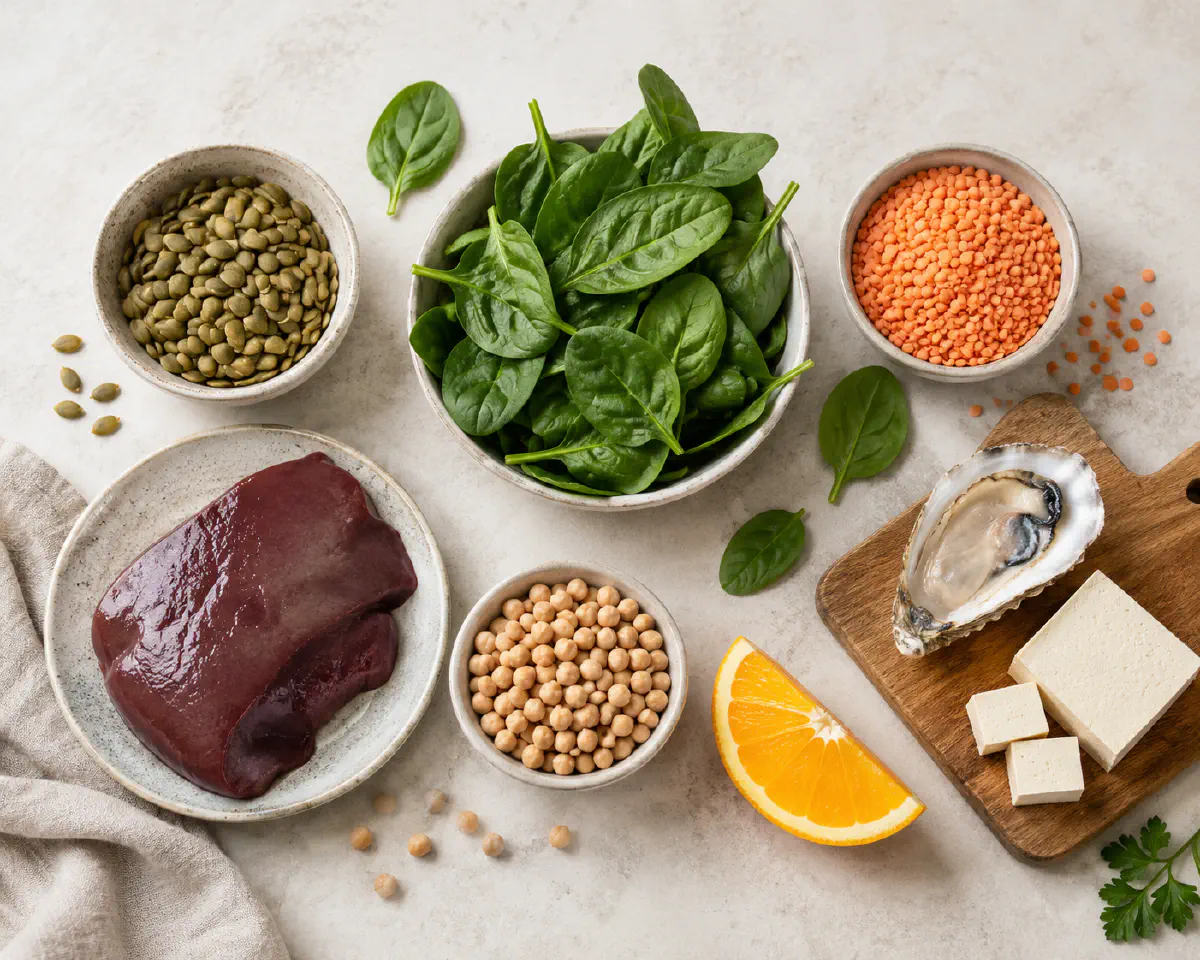
Food sources: red meat, lentils, spinach, and fortified cereals — paired with a vitamin C source (citrus, bell peppers) to improve absorption, since vitamin C significantly enhances iron uptake from plant sources specifically.
👉 See our hormonal hair fall guide for the full ferritin testing and correction protocol.
Zinc: Real Evidence, When Actually Deficient
Zinc deficiency-related telogen effluvium has some of the clearest interventional evidence of any hair-related nutrient: in one study, treating confirmed zinc-deficient patients with oral zinc resolved or improved hair loss in essentially all cases. The key phrase is confirmed deficient — zinc supplementation without an actual deficiency doesn’t have the same support.
Food sources: oysters, pumpkin seeds, beef, and legumes.
Protein: Less Discussed, Genuinely Important
Hair is structurally built from keratin, a protein — severe protein deficiency has a documented association with telogen effluvium, alongside broader amino acid deficits. This is less commonly discussed than iron or biotin, likely because severe protein deficiency is less common in typical diets than mild iron or zinc gaps, but it’s relevant for restrictive diets, rapid weight loss, or very low-protein eating patterns specifically.
Food sources: eggs, fish, poultry, legumes, and dairy.
Biotin: Already Covered, Same Conclusion Applies
We’ve covered this in depth already — biotin deficiency is genuinely rare in people eating a reasonably varied diet, and biotin gummies/supplements mostly help people who are actually deficient rather than providing a general growth boost.
👉 See Do Hair Growth Gummies Actually Work? for the full evidence review, including an FDA safety note on high-dose biotin worth knowing regardless of diet.
What to Actually Test Before Changing Your Diet
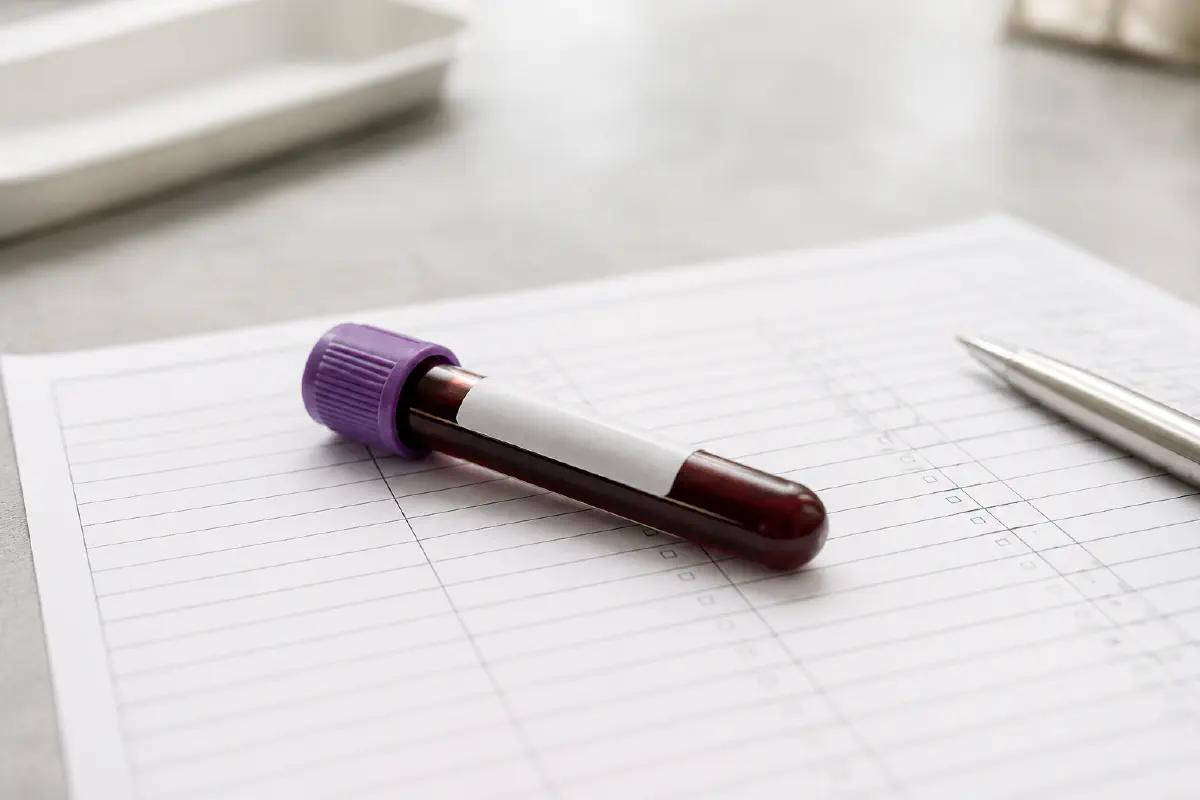
Rather than guessing, the nutrients worth asking a doctor to test — mirroring the panel used in the 2024 study above — are: ferritin, zinc, vitamin B12, vitamin D, and a thyroid panel. This turns “eat better for your hair” from a vague suggestion into an actual, targeted fix if something specific comes back low.
Why Testing Matters More for Iron Specifically
This is worth being direct about: unlike zinc or most vitamins, where excess is generally just excreted, iron supplementation without a confirmed deficiency carries real risk — iron overload can cause genuine health problems over time, and some people have underlying conditions (like hemochromatosis) that make excess iron intake actively harmful rather than just wasted. Iron is the one nutrient on this list where “just try it” is a meaningfully worse idea than testing first.
Foods With Weaker, More General Support
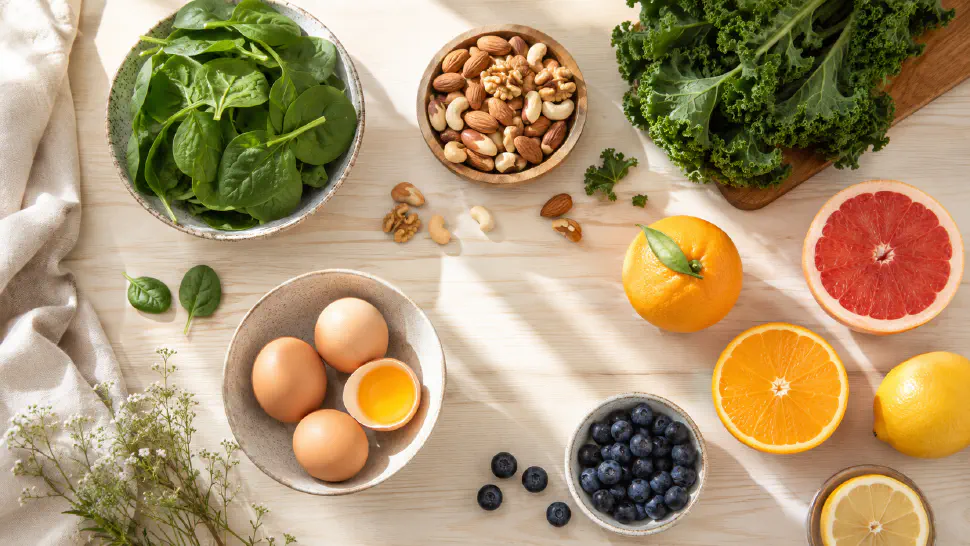
- Omega-3 fatty acids (fatty fish, walnuts, flaxseed) — linked to general anti-inflammatory benefits that plausibly support scalp health, though the evidence here is less specific to hair than the nutrients above
- Antioxidant-rich produce (berries, leafy greens) — supports overall cellular health, a reasonable low-risk addition rather than a targeted fix
What “Eating for Hair Care” Doesn’t Mean
- It doesn’t mean any single “superfood” reverses hair loss without addressing an actual underlying cause
- It doesn’t mean more supplements are automatically better — untargeted supplementation without a confirmed deficiency is, at best, an expensive multivitamin habit
- It doesn’t replace topical treatment, DHT-focused approaches, or medical evaluation for significant hair loss — it’s a contributing factor, not a standalone fix
A Simple Hair-Supportive Plate
Rather than a strict diet plan, a reasonable baseline: a source of protein at each meal, iron-rich foods paired with vitamin C, a serving of zinc-containing food most days, and fatty fish or a plant omega-3 source a couple of times a week. This covers the nutrients with the most direct evidence without requiring supplements at all, unless testing shows an actual gap.
Frequently Asked Questions
Can diet alone regrow significant hair loss?
Only if the hair loss was actually driven by a nutrient deficiency in the first place — diet corrects that specific cause, but it won’t reverse hair loss driven by DHT, genetics, or other non-nutritional factors.
How long before dietary changes show up in hair growth?
Similar to other hair treatments — expect 3+ months at minimum, since correcting a deficiency still has to work through the same multi-month hair growth cycle covered in our cycle guide.
Should I get bloodwork before trying supplements?
Yes — this is the single most useful step, since it turns guessing into a targeted fix and avoids supplementing for a deficiency you may not actually have.
Is a vegetarian or vegan diet automatically worse for hair?
Not automatically, but it requires more intentional attention to iron, zinc, and B12 specifically, since these are more readily available from animal sources — plant-based eaters benefit from paying closer attention to these particular nutrients and pairing iron sources with vitamin C.
Does this apply to people losing weight rapidly on GLP-1 medications too?
Yes, directly — rapid weight loss and reduced caloric intake are a documented trigger for the same nutrient-related shedding covered here. See GLP-1 Hair Loss: What the New Research Actually Shows for the specific data on Ozempic, Wegovy, and Mounjaro.
Final Thoughts
“Eating for hair care” is real, but narrower than it’s usually presented: a handful of specific nutrients (iron, zinc, protein, and biotin in true deficiency) have genuine evidence behind them, and testing for an actual gap is far more useful than eating more of everything and hoping. Food is a legitimate part of a hair-growth routine — just not a substitute for figuring out what’s actually going on first.